Temporary Email Retention: How Long Should You Keep Messages (and Why It Matters)
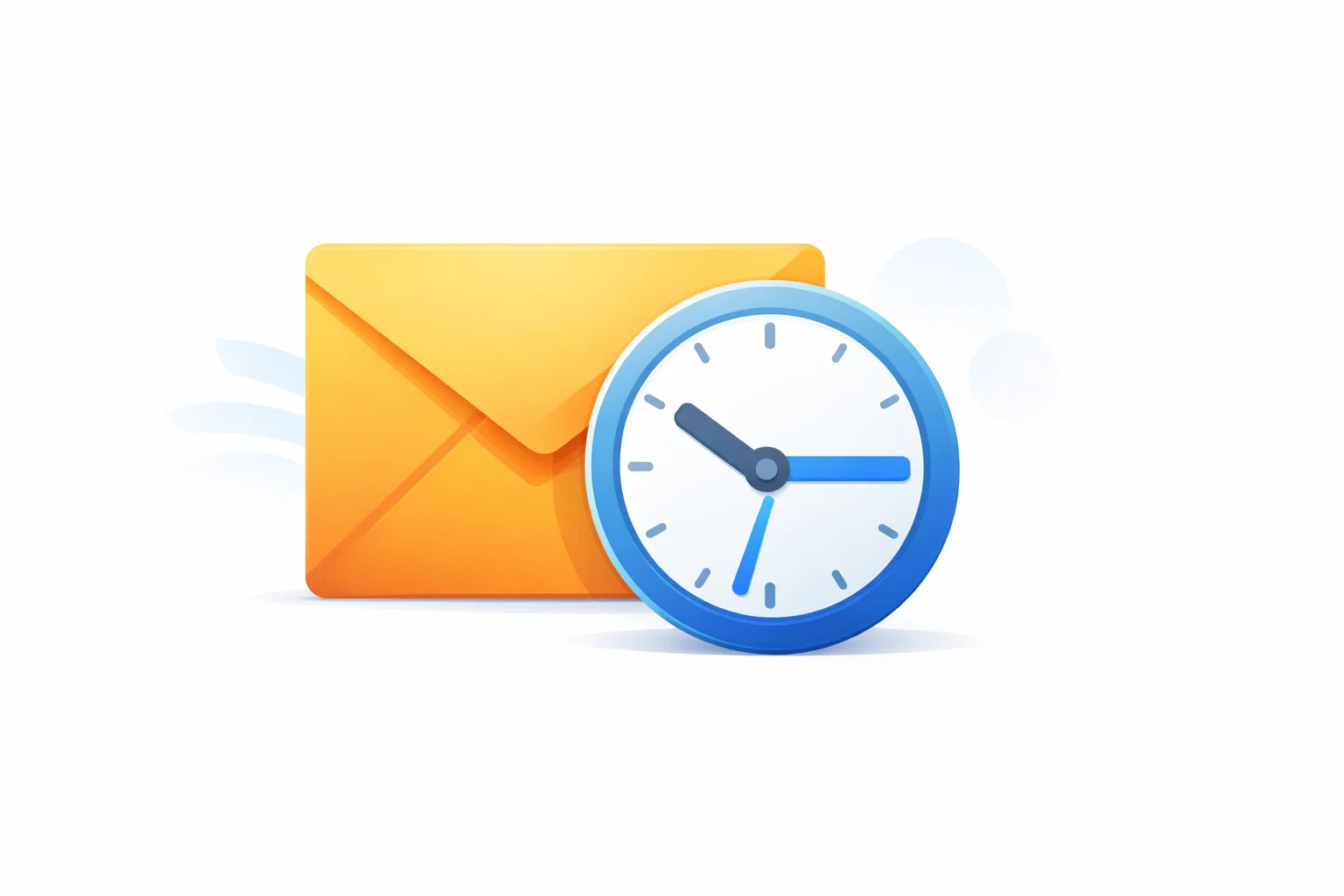
Retention is the hidden tradeoff of temporary email. Short retention reduces stored data and long‑term risk. Longer retention improves convenience but can increase exposure if inboxes are reused or discovered.
1) Why short retention is a privacy feature
- Less stored content reduces long-term risk.
- Old messages can’t be accessed indefinitely.
- It discourages using temp inboxes for identity‑critical accounts.
2) Why long retention can be risky
- More time for accidental sharing or reuse.
- Higher chance someone else discovers or guesses an inbox identifier.
- Attachments increase malware exposure if stored longer.
3) Match retention to purpose (practical guide)
- One‑time signup confirmation: minutes to hours
- Trial workflow testing: hours to a day
- Ongoing subscription or billing: use a permanent inbox you own
4) What to do if you need to keep something
If you receive a confirmation you may need later:
- Save the order/reference number securely.
- Copy essential details into your own notes.
- Switch the account email to a permanent inbox if the service allows it.
5) Safe usage reminders
- Don’t use temp inboxes for banking or government services.
- Be cautious with attachments.
- Use a fresh inbox per low‑risk signup to avoid correlation.
6) Get a fresh inbox (responsibly)
Start here: TempMailbox or see Receive Email Online.